

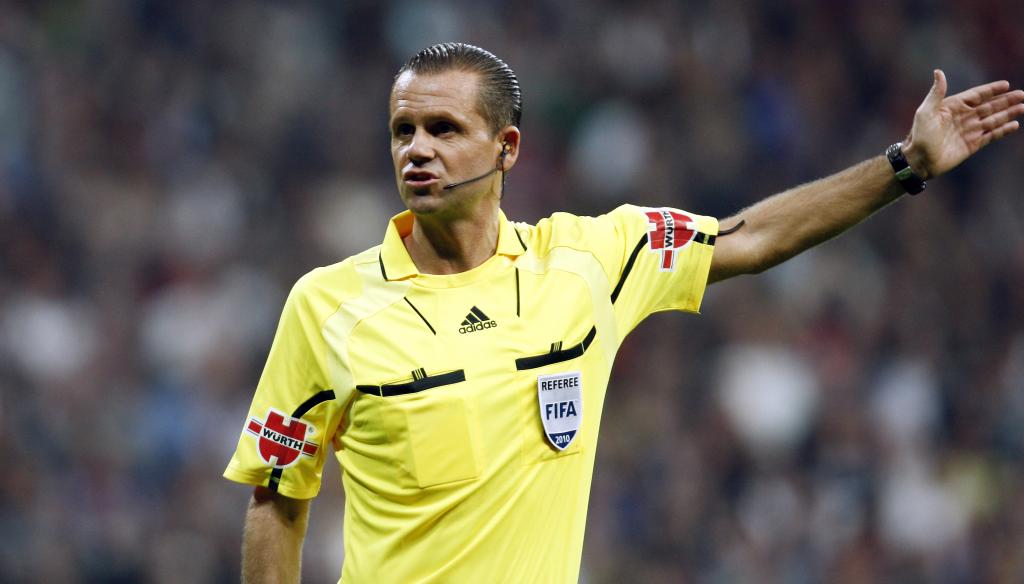
Refs Need to Stop Waffling and Set Clear Standards, Says Spanish Officiating Critic
A scathing assessment of Spain's new referee committee demands more consistency, clearer guidelines and full-time professional training for La Liga officials.
Spanish Refereeing Body Under Fire for Inconsistent Standards
The honeymoon period is well and truly over for Spain’s new refereeing committee, with critics demanding they provide clearer guidance rather than hiding behind vague “interpretations” of the rules.
Promises vs Reality
Last summer, the Spanish Football Federation’s Technical Committee of Referees (CTA) launched with grand promises of transformation. They pledged a complete overhaul built on four pillars:
- Transparency
- Independence
- Meritocracy
- Education through their new ‘Review Time’ video analysis program
But several months in, these promises are looking rather hollow. The ‘Review Time’ videos, initially touted as educational tools to establish consistent standards, have devolved into post-hoc justifications for controversial decisions.
The Interpretation Cop-Out
The most troubling development has been the committee’s increasing reliance on the concept of “interpretation” to justify inconsistent decisions. This vague term has become their get-out-of-jail-free card when facing criticism.
As any referee knows, almost every rule in football involves some interpretation (except the dimensions of the pitch and ball). But that doesn’t mean standards should vary wildly from match to match or referee to referee.
What’s needed isn’t more ambiguity but concrete criteria that all stakeholders—especially the referees themselves—can understand and apply consistently. The bread and butter of refereeing is consistency, not making it up as you go along.
The Professional Gap
Perhaps the most damning criticism relates to the working arrangements of Spanish officials. Unlike the players they officiate, referees don’t train together daily or even weekly. Instead, they:
- Live scattered across Spain rather than centralized in Madrid
- Meet in person only every three months
- Rely on online communication for match analysis
- Often review performances weeks after matches occurred
Imagine if Simeone or Xabi Alonso only saw their players every three months and conducted team meetings on Zoom! It’s proper barmy when you think about it.
The Way Forward
The solution proposed is straightforward but would require significant change: have all professional referees relocate to Madrid and work Monday through Thursday at the Football City in Las Rozas. This would enable:
- Immediate post-match analysis
- Collective learning from mistakes
- Reinforcement of good decisions
- Professional development on par with the teams they officiate
Without this level of professionalization, all the talk of reform is just hot air. Spanish refereeing needs more than just new faces at the top—it needs a complete rethink of how officials are trained, supported, and held accountable.