

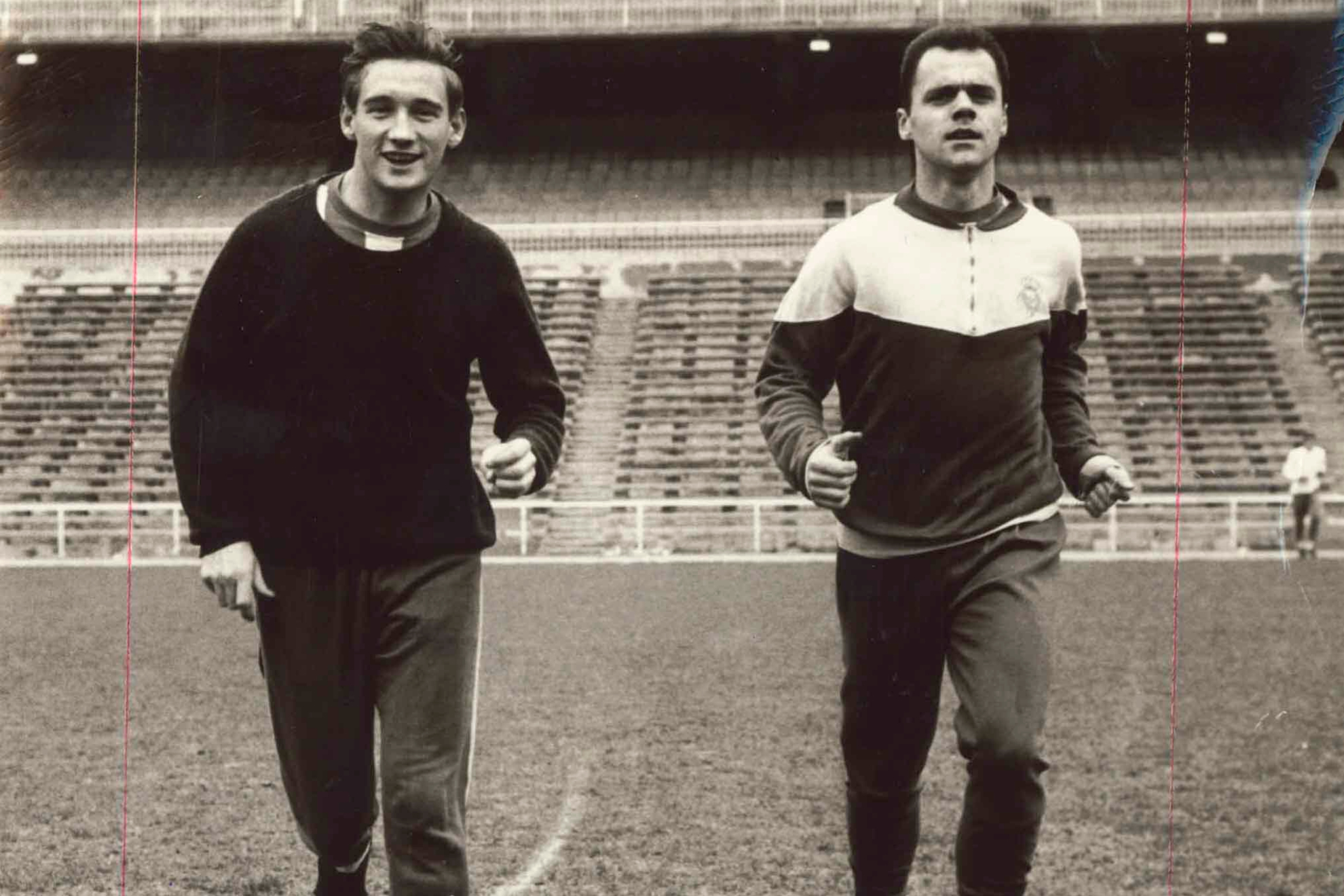
Lucien Müller passes away at 91: Real Madrid and Barcelona legend leaves lasting Spanish legacy
The French football legend who graced both Real Madrid and Barcelona before making his mark as a manager across Spain has died aged 91.
A true European football journeyman who left his mark on the Spanish game both as a player and manager has departed for the great stadium in the sky.
From French star to Madrid and Barça
Lucien Müller, born in Bischwiller on September 3, 1934, has passed away at 91 years of age. The Frenchman carved out a remarkable career that saw him become one of the few players to represent both Spanish giants, Real Madrid and Barcelona.
After cutting his teeth at Strasbourg and Toulouse, Müller became a proper star at Reims before Madrid came calling in 1962. His time at the Bernabéu coincided with a rare dry spell in Los Blancos’ European Cup collection, though he came within touching distance in 1964 when Madrid fell to Benfica in the final.
During his Madrid stint, Müller collected three La Liga medals and made 92 official appearances. While he never quite lived up to the “next Raymond Kopa” tag that French football had bestowed upon him, his contributions to Spanish football were significant.
After trading white for blaugrana, Müller’s Barcelona career yielded a Copa del Rey and a Fairs Cup (the predecessor to the UEFA Cup). He also represented France at the 1966 World Cup in England.
Managerial marathon
It was in the dugout where Müller truly made his Spanish bread and butter. The Frenchman became something of a coaching nomad, with an impressive list of Spanish clubs on his CV:
- Castellón (1975-1976, 1990-1992)
- Burgos (multiple spells between 1976-1981)
- Real Zaragoza (1977-1978)
- Barcelona (1978-1979)
- Mallorca (1981-1983, 1987-1988)
- Monaco (1983-1986)
His former club Reims paid tribute to their departed legend with president Jean-Pierre Caillot noting that Müller “embodied values dear to our club” and would be remembered as “a benevolent man respected by all.”
The passing of Müller represents the loss of another link to football’s golden post-war era. For Spanish football aficionados, he’ll be remembered as one of those rare figures who transcended rivalries, having left his mark across the country from the Bernabéu to the Camp Nou and numerous touchlines in between.