

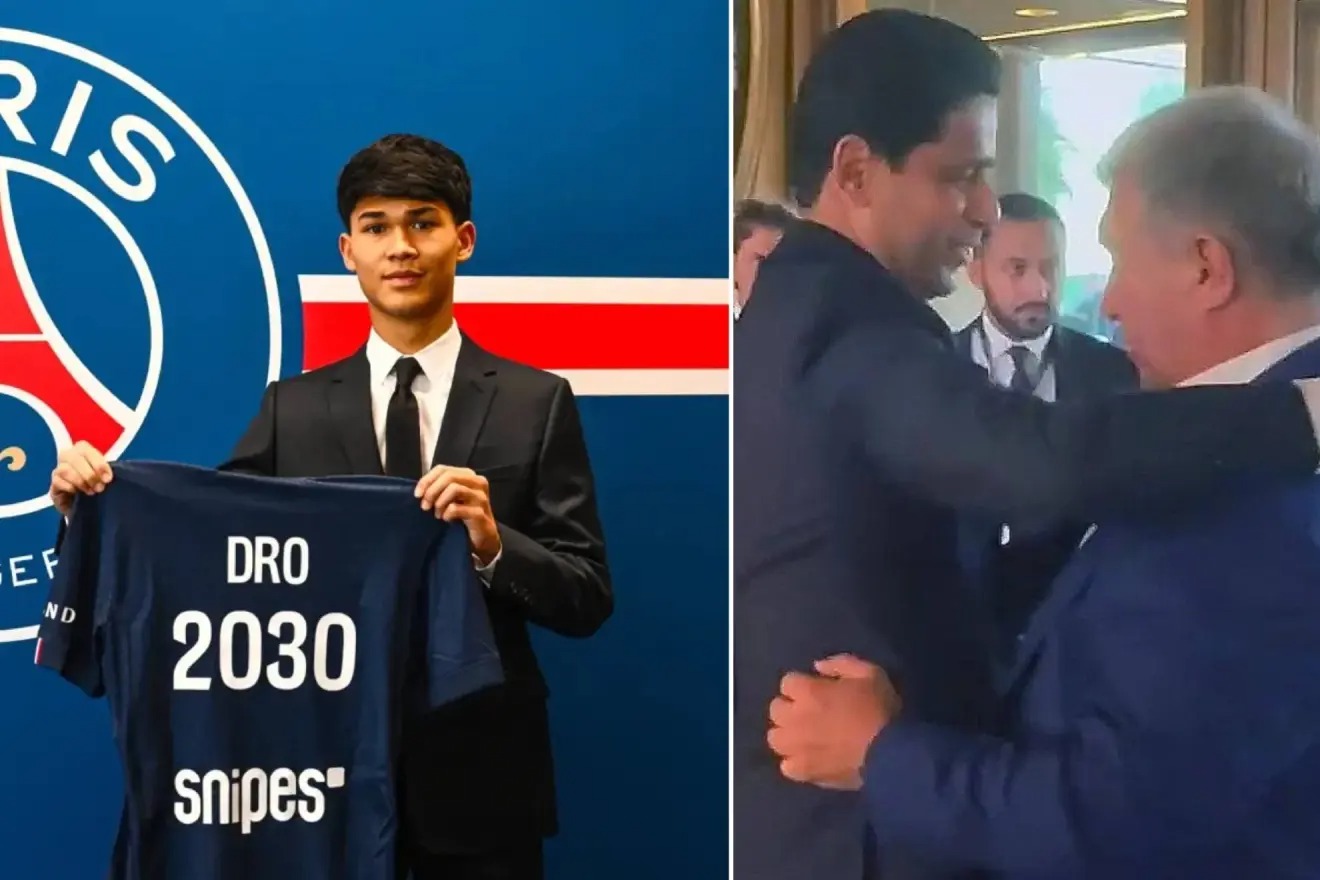
Inside PSG's Shrewd Capture of Barcelona Wonderkid Dro
How Paris Saint-Germain carefully orchestrated the €8.5m signing of Barcelona's Dro after the youngster decided to leave Camp Nou, despite interest from Man City and Dortmund.
PSG have pulled off another coup in the transfer market, securing Barcelona wonderkid Dro in a move that reinforces their commitment to youth development while maintaining diplomatic relations with the Catalan giants.
A Respectful Approach
What’s particularly interesting about this transfer is the careful choreography from PSG’s side. The Parisians deliberately held back their advances until Dro had communicated to Barcelona his intention to leave. Only then did the French champions make their move, showing a level of respect that might surprise those who remember the more antagonistic relations between the clubs in years past.
Nasser Al-Khelaifi, PSG’s president, was clearly determined not to create any unnecessary friction with Joan Laporta. The two presidents have been on better terms recently, and this deal seems to have been conducted with mutual respect - a proper gentleman’s agreement rather than the dog’s dinner we often see in high-profile transfers.
Beating Premier League Competition
PSG weren’t alone in their pursuit of the talented youngster:
- Manchester City were seriously interested
- Borussia Dortmund also made approaches
- But PSG’s negotiations with Barcelona proved most fruitful
The €8.5 Million Question
At €8.5 million, this represents tremendous value for PSG. The club’s sporting advisor Luis Campos and manager Luis Enrique both believe Dro fits perfectly into their project - a strategy that has increasingly focused on securing promising young talent rather than splashing cash on established stars.
This approach has already paid dividends, with PSG becoming the youngest squad ever to win the Champions League, only surpassed by the legendary Ajax team of 1995.
The Bigger Picture
Behind the scenes, there’s an interesting political dimension. Laporta and Al-Khelaifi have been increasingly aligned in football politics recently, with Barcelona’s president acting as something of a bridge between the European Club Association (now European Football Clubs) and the Superleague movement.
This transfer represents more than just a talented player changing clubs - it’s another sign of the shifting alliances in European football’s corridors of power.