

FIFA Panel Eyes Bans for Players Who Cover Mouths to Hide Racist Abuse
Mikaël Silvestre reveals FIFA's Players' Voice Panel is exploring sanctions for players who cover their mouths to conceal racist abuse, following the Vinicius incident.
The Vinicius-Prestianni racism row has sparked a push for real, concrete rule changes at the highest level of the game — and it’s coming from some proper football legends.
What’s Going On?
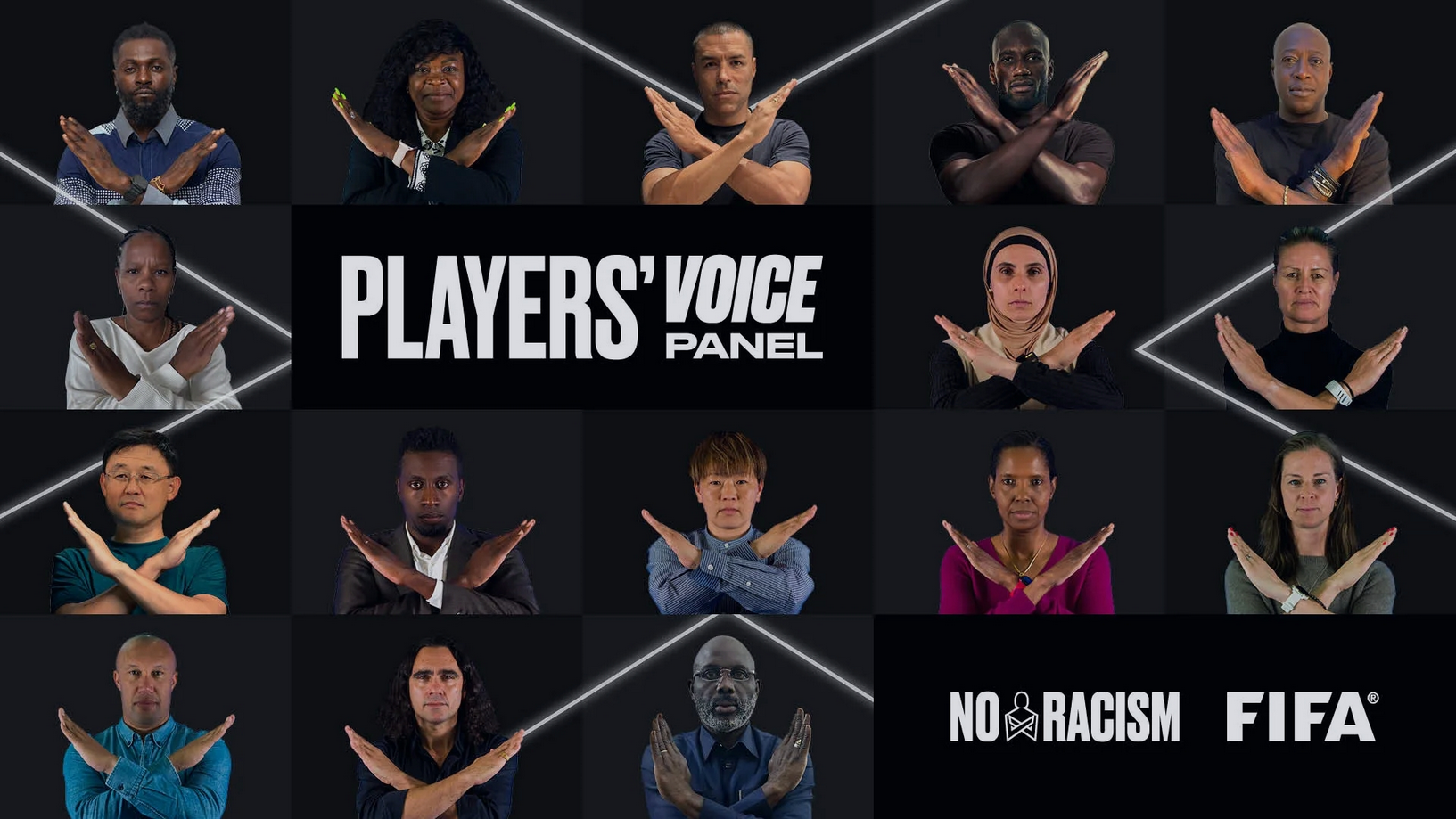
Mikaël Silvestre — yeah, the bloke who played for both Arsenal and Man United, so he’s seen a few things — has gone on record via Sky Sports to talk about the work being done by FIFA’s Players’ Voice Panel. The group, made up of 16 former pros from men’s and women’s football across the globe, is actively looking at ways to clamp down on players who cover their mouths when communicating on the pitch — a tactic that’s become a convenient shield for those hurling abuse.
The panel’s got some serious names on it, including:
- George Weah (honorary captain, Liberia)
- Didier Drogba (Ivory Coast)
- Blaise Matuidi (France)
- Briana Scurry (USA)
- Formiga (Brazil)
- And Silvestre himself, among others
All of them are committed to wiping racism out of football. Not just talking about it — actually doing something.
The Mouth-Covering Problem
The spark for all this is the incident during Benfica vs Real Madrid, where Vinicius Júnior accused Fiorentina loanee Prestianni of racially abusing him. Silvestre drew a clear line between tactical chat and something far more sinister: the panel’s view is that covering your mouth to hide what you’re saying to another player — particularly in cases of targeted abuse — needs to carry real consequences.
He’s calling for sanctions that could include lengthy bans and mandatory education programmes for anyone found guilty. He also flagged the frustrating reality that proving these incidents is genuinely difficult, especially given the speed at which knockout football moves — the second leg was just seven days away.
The Referee Question
Silvestre was also keen to defend referee François Letexier’s handling of the incident on the night, while acknowledging the system as a whole needs to be sharper. His view is that referees need clearer powers and better communication tools — ideally being able to address the entire stadium directly when something serious kicks off.
It’s a fair point. Right now, a ref can book someone, but if the abuse happened behind a hand or a shirt collar, what are they actually supposed to do?
Why It Matters
This isn’t just box-ticking. Having a panel of this calibre — players who’ve lived through racism on pitches across four continents — pushing for structural change feels different to the usual corporate hand-wringing. Whether FIFA actually acts on it is another matter entirely, but the pressure is building.
Vinicius isn’t going anywhere, and neither is this conversation.